Trong thế giới ngày nay, màn hình hiển thị LCD và màn hình LED là hai loại công nghệ trực quan phổ biến nhất được sử dụng trong các thiết bị điện tử và giải pháp kinh doanh. Từ bảng trắng tương tác đến bảng hiệu kỹ thuật số, băng video LCD, TV standbyme và kiốt, màn hình hiển thị LCD vẫn là lựa chọn ưa thích cho môi trường trong nhà, cung cấp hình ảnh rõ nét, tái tạo màu sắc chính xác, và hiệu suất tiết kiệm năng lượng.
Mặc dù màn hình LED thường được sử dụng cho các địa điểm quảng cáo ngoài trời hoặc độ sáng cao, màn hình hiển thị LCD mang lại độ tin cậy cao, khả năng chi trả và tính linh hoạt cho hầu hết các ứng dụng chuyên nghiệp.
Tại qtenboard, chúng tôi chuyên về màn hình hiển thị LCD và các giải pháp tương tác hỗ trợ nhu cầu kinh doanh của bạn 24/7. Cho dù bạn đang triển khai biển báo kỹ thuật số để bán lẻ, triển khai các lớp học tương tác, hoặc thiết lập các video, sản phẩm của chúng tôi được thiết kế để cung cấp hình ảnh chất lượng cao, phù hợp để thu hút người xem một cách hiệu quả.
Bài viết này sẽ cung cấp một sự so sánh sâu về màn hình hiển thị LCD so với màn hình LED, làm nổi bật sự khác biệt chính, kịch bản ứng dụng và cân nhắc trước khi mua. Cuối cùng, bạn sẽ hiểu công nghệ nào phù hợp nhất với doanh nghiệp của mình và tại sao qtenboard là đối tác phù hợp với các giải pháp hiển thị của bạn.
Màn hình hiển thị LCD (màn hình tinh thể lỏng) và màn hình LED đều là công nghệ hiển thị nhưng về cơ bản khác nhau về cách chúng tạo ra hình ảnh. Màn hình hiển thị LCD sử dụng các phân tử tinh thể lỏng để điều khiển sự truyền ánh sáng từ nguồn đèn nền. Bằng cách điều chỉnh sự căn chỉnh của các phân tử này với điện áp, màn hình LCD tạo ra hình ảnh với màu sắc chính xác và chi tiết sắc nét. Những màn hình này thường được sử dụng trong bảng trắng tương tác, bảng hiệu kỹ thuật số, kiốt, băng video và màn hình thương mại trong nhà.
Màn hình LED được làm bằng các điốt phát sáng riêng biệt, mỗi loại có khả năng tạo ra ánh sáng và màu sắc riêng. Công nghệ tự phát xạ này cho phép Màn hình LED đạt được độ sáng cực cao và độ tương phản mạnh, lý tưởng cho biển báo ngoài trời, sân vận động hoặc màn hình công cộng lớn. Tuy nhiên, Màn hình LED Nhìn chung đắt tiền hơn và ít phù hợp với các ứng dụng xem cận cảnh trong nhà so với màn hình hiển thị LCD.
Điều đáng chú ý là nhiều "TV LED" thực sự là màn hình hiển thị LCD với đèn nền LED. Về mặt kỹ thuật, chúng vẫn là sản phẩm LCD, được hưởng lợi từ hiệu suất năng lượng và hiệu suất màu sắc của đèn nền LED hiện đại.
Sự khác biệt chính giữa màn hình hiển thị LCD và màn hình LED nằm trong phương pháp trình bày hình ảnh của họ. Màn hình hiển thị LCD dựa vào đèn nền đi qua các tinh thể lỏng để tạo ra hình ảnh. Sự sắp xếp của các tinh thể này kiểm soát cường độ và màu sắc của ánh sáng đến người xem, tạo ra hình ảnh chính xác cho văn bản, ảnh và video.
Tuy nhiên, Màn hình LED sử dụng nhiều đèn LED nhỏ phát ra ánh sáng độc lập. Mỗi đèn LED điều chỉnh độ sáng và màu sắc của nó để tạo hình ảnh trực tiếp trên màn hình. Mặc dù điều này cho phép màn hình LED đạt được mức độ sáng cao hơn và màu sắc rực rỡ, màn hình hiển thị LCD cung cấp khả năng tái tạo màu sắc và ổn định hình ảnh phù hợp hơn, đặc biệt là để xem trong nhà.
Bởi vì màn hình hiển thị LCD phụ thuộc vào đèn nền, chúng có thể hiển thị những hạn chế nhỏ về độ sâu màu và tông màu tối so với màn hình LED. Hình ảnh tối trên màn hình LCD có thể hơi xám, trong khi đèn LED, với pixel tự phát, có thể tạo ra màu đen sâu hơn và chi tiết màu sắc sống động hơn.
Tuy nhiên, Màn hình hiển thị LCD chất lượng cao, chẳng hạn như bảng IPS được cung cấp bởi qtenboard, mang lại độ chính xác màu sắc tuyệt vời và góc nhìn rộng. Những màn hình này lý tưởng cho bảng trắng tương tác, bảng hiệu kỹ thuật số, kiốt và băng video trong nhà, nơi hiển thị màu sắc chính xác là rất quan trọng.
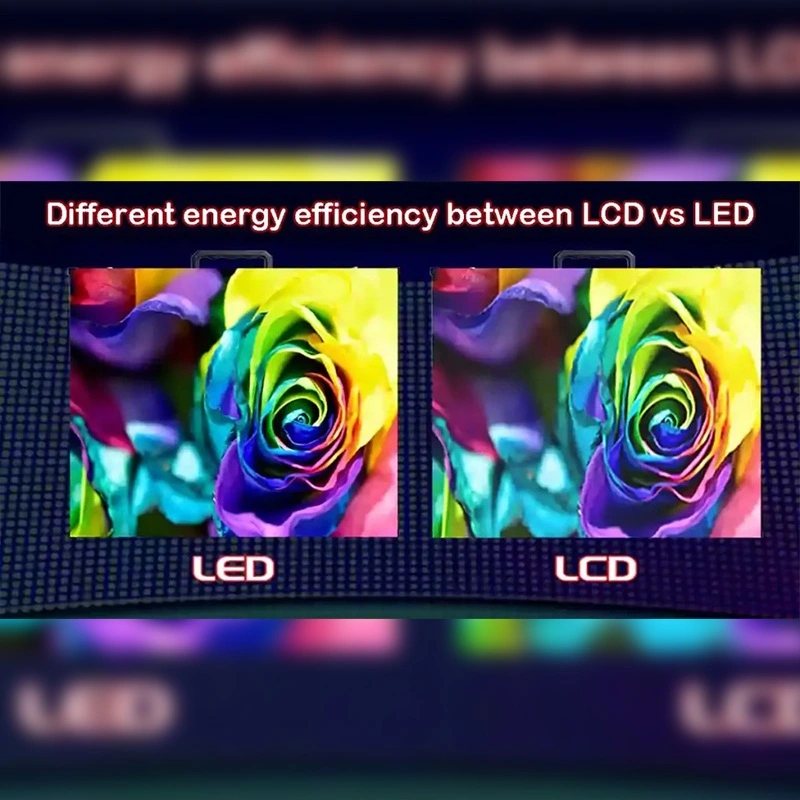
Hiệu quả năng lượng là một yếu tố quan trọng, đặc biệt là đối với biển báo kỹ thuật số chạy 24/7. Màn hình hiển thị LCD tiêu thụ năng lượng chủ yếu thông qua đèn nền, và màn hình LCD có đèn nền LED hiện đại sử dụng các công nghệ làm mờ tiên tiến để giảm mức tiêu thụ điện năng. Ngay cả trong quá trình sử dụng kéo dài, các màn hình này vẫn duy trì hiệu suất ổn định đồng thời giảm thiểu chi phí năng lượng.
Màn hình LED có thể tắt từng pixel khi hiển thị nội dung tối, giúp chúng tiết kiệm năng lượng trong một số tình huống ngoài trời. Tuy nhiên, các thiết lập LED Độ sáng cao thường tiêu thụ nhiều năng lượng hơn màn hình hiển thị LCD, đặc biệt là trong môi trường trong nhà.
Chi phí là một yếu tố quan trọng khác. Màn hình hiển thị LCD giá cả phải chăng hơn do quy trình sản xuất trưởng thành và áp dụng rộng rãi. Chúng có thể mở rộng, phù hợp cho sản xuất hàng loạt và cung cấp giá trị tuyệt vời cho các ứng dụng thương mại trong nhà.
Màn hình LED, đặc biệt là các mô hình cao độ, tốn kém hơn để sản xuất và lắp đặt. Chi phí bảo trì và hiệu chuẩn cũng cao hơn. Đối với hầu hết các doanh nghiệp tìm kiếm giải pháp hiển thị trong nhà đáng tin cậy, màn hình hiển thị LCD là lựa chọn hiệu quả nhất về chi phí.
Màn hình hiển thị LCD phù hợp với nhiều ứng dụng trong nhà, bao gồm:
LED hiển thị xuất sắc trong môi trường ngoài trời hoặc các địa điểm lớn đòi hỏi độ sáng và độ tương phản cao. Tuy nhiên, đối với các ứng dụng kinh doanh trong nhà, màn hình hiển thị LCD mang đến sự kết hợp tốt nhất về chất lượng, tiết kiệm chi phí và hiệu suất thị giác.
Khi lựa chọn giữa màn hình hiển thị LCD và màn hình LED, bạn phải xem xét mục tiêu kinh doanh và môi trường ứng dụng của mình. Đối với biển hiệu kỹ thuật số trong nhà, thuyết trình tương tác hoặc màn hình hướng tới khách hàng, màn hình hiển thị LCD cung cấp chất lượng hình ảnh nhất quán, hiệu quả năng lượng và khả năng chi trả.
Qtenboard cung cấp các giải pháp tùy chỉnh cho các nhu cầu kinh doanh khác nhau. Đối với hiệu ứng hình ảnh cao cấp hoặc sử dụng ngoài trời, chúng tôi cũng hỗ trợ màn hình LED. Bất kể yêu cầu dự án của bạn là gì, đội ngũ của chúng tôi sẵn sàng 24/7 để giúp bạn lựa chọn giải pháp màn hình phù hợp nhất.
Trước khi mua, hãy đánh giá các yếu tố sau:
Xem xét các yếu tố này sẽ giúp bạn lựa chọn đúng đắn giữa màn hình hiển thị LCD và màn hình LED và đảm bảo biển báo kỹ thuật số hoặc màn hình tương tác hoạt động hiệu quả.
Qtenboard là nhà sản xuất màn hình hiển thị LCD hàng đầu và các giải pháp liên quan. Sản phẩm của chúng tôi bao gồm:
Cho dù bạn cần biển báo trong nhà, màn hình tương tác hoặc giải pháp video Wall, qtenboard đảm bảo Màn hình hiển thị LCD của bạn mang lại tác động trực quan tốt nhất cho người xem và Tối đa hóa hiệu quả của tin nhắn của bạn.
Màn hình hiển thị LCD so với màn hình LED đều có giá trị, Nhưng đối với các ứng dụng kinh doanh trong nhà, màn hình hiển thị LCD mang lại hiệu quả chi phí cao, ổn định hình ảnh và độ chính xác màu sắc. Bằng cách xem xét các yêu cầu cụ thể của bạn-chẳng hạn như môi trường hiển thị, khoảng cách xem và loại nội dung-Bạn có thể đưa ra quyết định sáng suốt để đảm bảo biển báo kỹ thuật số hoặc màn hình tương tác hoạt động tối ưu.
Qtenboard cung cấp các giải pháp Màn hình hiển thị LCD toàn diện, được hỗ trợ bởi lời khuyên chuyên nghiệp và hỗ trợ 24/7. Cho dù dự án của bạn bao gồm bảng trắng tương tác, bảng hiệu kỹ thuật số, băng video, TV standbyme hoặc kiốt, qtenboard cung cấp Màn hình hiển thị chất lượng cao, đáng tin cậy phù hợp với nhu cầu kinh doanh của bạn.
Với sự so sánh chi tiết này, bạn có thể tự tin chọn Màn hình hiển thị LCD cho dự án của mình, đảm bảo hình ảnh hấp dẫn và trải nghiệm hiển thị chuyên nghiệp.
Nhấp để ĐọC Chi tiết sản phẩm và tìm hiểu về các tính năng chức năng và hiệu suất thực tế của sản phẩm.
📖Đọc sản phẩm
 VIE
VIE
 EN
EN  MAY
MAY  TH
TH  CHT
CHT  ID
ID  BUR
BUR  FIL
FIL  HKM
HKM  LAO
LAO  SIN
SIN